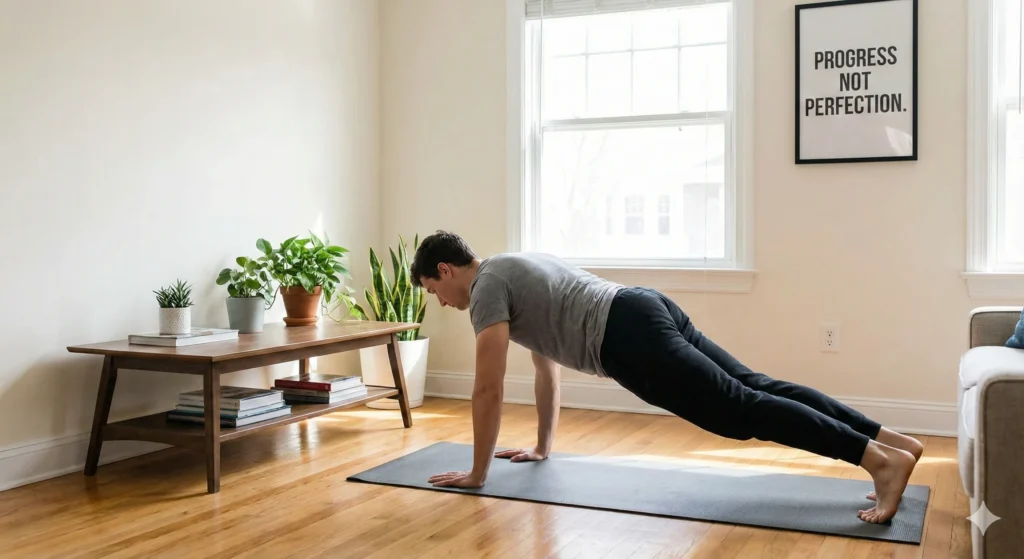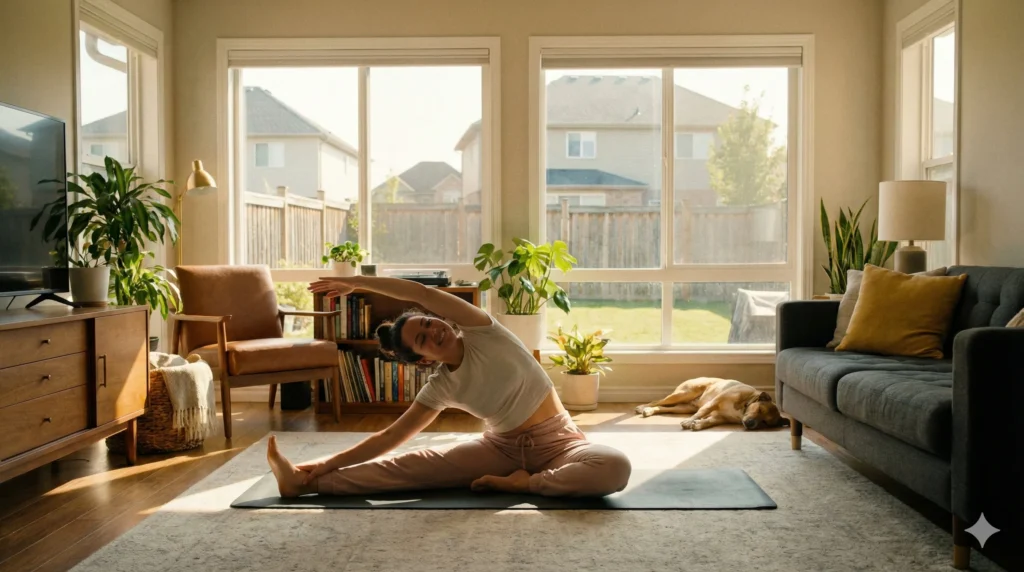
Waking up to a fresh morning and jumping straight into exercise might feel impossible at first. But creating a morning fitness routine can transform your energy, mood, and overall health. Imagine starting every day with a boost that keeps you motivated and focused, ready to tackle work, errands, or family responsibilities.
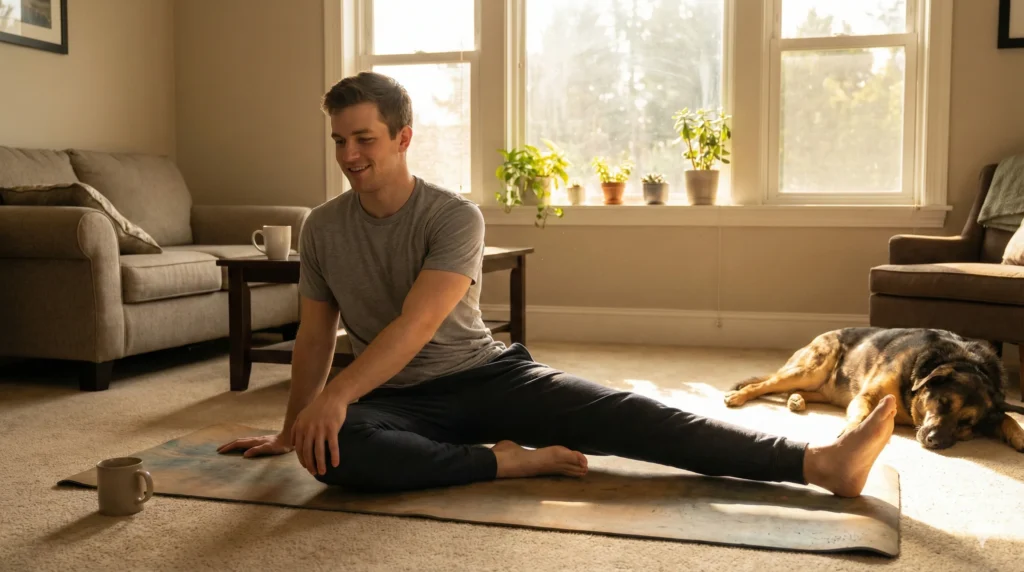
Beginner-Friendly Explanation
A morning fitness routine is simply a set of physical activities you perform at the start of your day. It can be as simple as stretching, bodyweight exercises, yoga, or light cardio. The goal isn’t to exhaust yourself but to activate your body, improve circulation, and sharpen your mind.
Benefits of a Morning Fitness Routine
- Boosts Energy: Exercise releases endorphins, giving you natural energy that lasts longer than coffee.
- Improves Mood: Morning workouts reduce stress and anxiety, starting your day on a positive note.
- Enhances Focus: Physical activity improves brain function, helping you concentrate on tasks.
- Supports Weight Management: Regular morning exercise can help regulate metabolism.
- Establishes Discipline: Creating a routine strengthens habits and consistency.
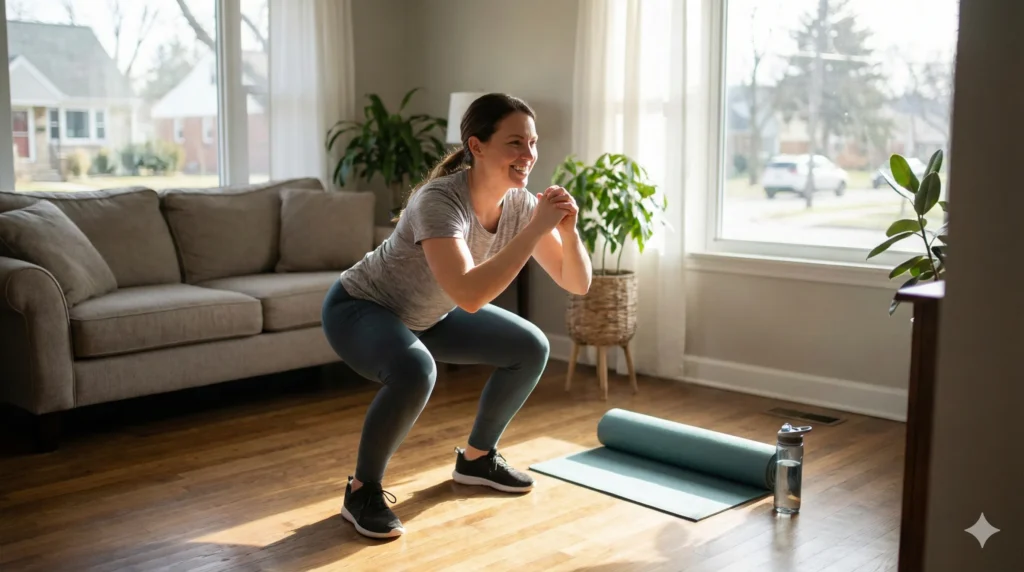
Step-by-Step Guide to Start Your Morning Fitness Routine
- Set a Realistic Wake-Up Time – Start 15–30 minutes earlier than usual. Gradually adjust if needed.
- Prepare the Night Before – Lay out workout clothes, shoes, water, and a mat. This removes excuses.
- Start with a Warm-Up – Spend 5–10 minutes on stretches or light movements to wake up your muscles.
- Choose Simple Workouts – Beginner-friendly options: push-ups, squats, jumping jacks, planks, yoga flows, or brisk walking.
- Follow a Short Duration at First – 15–20 minutes is enough for beginners. You can extend as you gain consistency.
- Cool Down and Hydrate – Stretching and water help your body recover and prevent injuries.
- Track Your Progress – Use a fitness app, journal, or calendar to stay accountable.
Common Mistakes to Avoid
- Skipping warm-ups, which can cause injuries.
- Overdoing exercises in the first week; gradual increase is key.
- Ignoring hydration; drinking water before and after is crucial.
- Falling into perfectionism—missing a day is okay, just continue the next day.
Expert Tips for Maximum Results
- Consistency is better than intensity: 20 minutes daily beats 2 hours once a week.
- Pair with a healthy breakfast: Protein and fiber fuel recovery and energy.
- Use sunlight exposure: Morning light regulates circadian rhythm for better sleep.
- Incorporate variety: Alternate cardio, strength, and flexibility to prevent boredom.

Real-Life U.S. Example
Samantha from Denver, Colorado, started with 10-minute yoga sessions in her living room. Within two weeks, she noticed increased energy for her 9–5 job and less mid-morning fatigue. She gradually added short walks and strength exercises, forming a sustainable routine she enjoys every morning.
Tools and Resources
- Fitness apps: MyFitnessPal, FitOn, or Nike Training Club
- Equipment: Yoga mat, resistance bands, dumbbells (optional)
- Wearables: Fitbit or Apple Watch for tracking steps, heart rate, and calories
Conclusion
Starting a morning fitness routine doesn’t have to be overwhelming. With small, consistent steps, preparation, and the right mindset, you can create a habit that improves your health, energy, and productivity. The key is to start simple, stay consistent, and gradually challenge yourself.
FAQs
Q1: How long should my morning fitness routine be as a beginner?
A1: Start with 15–20 minutes and increase gradually as your stamina improves.
Q2: Can I do a morning routine without equipment?
A2: Absolutely. Bodyweight exercises like squats, push-ups, and yoga are highly effective.
Q3: What time is ideal for a morning fitness routine?
A3: Anytime after waking up is fine. Early mornings (6–8 AM) are ideal for sunlight exposure and habit formation.
Q4: Should I eat before my workout?
A4: A small snack like a banana or a glass of water is sufficient. Avoid heavy meals before exercise.
Internal Links Suggestion: Link to blogs on “Healthy Breakfast Ideas” and “Simple Home Workouts.”
External DoFollow Links Suggestion: American Heart Association (heart.org), Mayo Clinic (mayoclinic.org) for fitness and health tips.